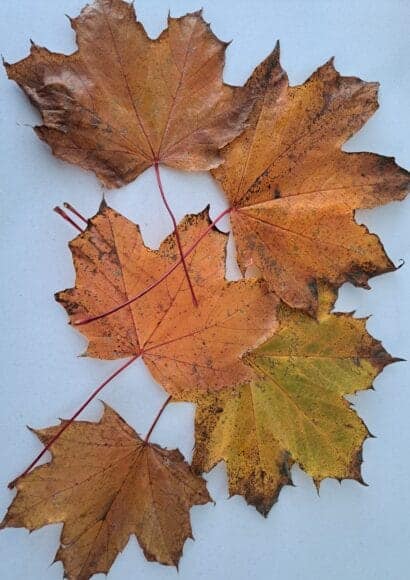
With the falling of the leaves, and a slight chill in the air, we need to say farewell to summer. This year in the South East of England we’ve had a great summer – hot and dare I say it a little too dry. If you are like me then there will no doubt be a glut of something in your garden. If you’re lucky enough to have ripe tomatoes (or green ones), apples, foraged fruits, green herbs, or lavender flowers, now is the time for Preserving Summer. We’ll be bottling, jarring, and drying, to ensure we capture the essence of these seasonal delights.
Preserving summer: what’s the fuss about?
With so many ingredients now readily available in our shops and supermarkets, we forget previous generations who would have spent many an hour ensuring they were preserving summer. Making sure their hard earned produce from the garden extended its season to add much needed flavour over the coming Winter months. It’s very satisfying using something that might have gone to waste or that you’ve foraged from the hedgerows. The pleasure I get on a rainy autumn weekend, chopping away, and filling my kitchen and home with the amazing aromatic aromas – all the while with a nod back to my Grandmother and my Mum.
Equipment List
Basic equipment is required for the process of preserving summer. I have been lucky enough to inherit a preserving pan from my grandmother, but a large heavy based saucepan is good. Alongside that, you will need a sharp knife, grater, long handled wooden spoon, a sieve/muslin cloth, a funnel (useful for filling the jars with hot liquid), and talking of which….you’ll need jars and a lot of them!
Recipes for preserving Summer
The following recipe posts can be found on Eat Your Greens:
Tips for growing next season
And don’t forget, assuming the plants you grew are not F1 hybrids, then be sure to save the seeds from your favourite crops. Clean them, making sure they are free from any flesh, and carefully dry them on kitchen paper. Once fully dried, pop them in a small envelope and store in a dry and dark place ready for next year. Remember to label them clearly (if you’re anything like me I forget what they are!). Let’s not forget, tomato seed planting starts already at the end of January and the whole wonderful cycle starts again.