
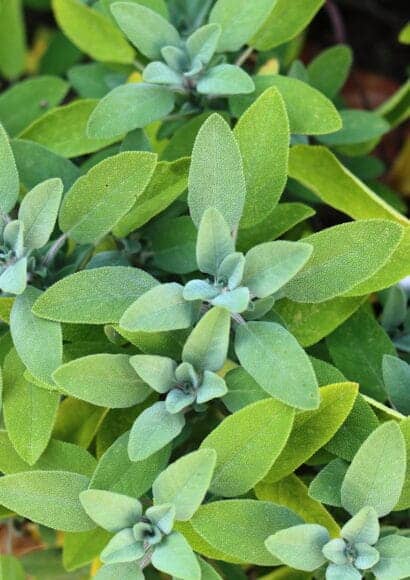
Sage is a hardy herb that appears annually in my garden, and not only that but it grows in abundance. This sage pesto recipe provides a great way to bring fresh flavours to many of your dishes. Just a few minutes of effort and you’ll have a great accompaniment to meat, fish, pasta, risotto, or simply turned into a punchy salad dressing.
Sage
Sage has a robust and earthy flavour which lends itself well to the richness of meat but can also marry the land to the sea when served alongside fish. Classics include dishes such as the Italian Pork Saltimbocca, or a British classic in sage and onion stuffing with a roast chicken. Traditionally, sage has been valued for its ability to help break down rich and heavy foods, and therefore can aid in digestion.
Related recipes
If you like this sage pesto recipe, try out other variations including:
Growing sage
Sage is wonderfully rewarding to grow and relatively low-maintenance once established. Here’s how to set yourself up for success and ensure years of healthy sage every summer, and throughout most of the year.
You can grow sage from a cutting. Simply snip below a strong, young head of sage, and ensure then stem has a sharp 45 degree angle. Then place the cutting in a pot of damp compost and water now and then until it takes root. Or you have the option of buying a small young plant from the garden centre.
Choose a sunny spot with well-draining soil – sage absolutely hates waterlogged conditions – consider a raised bed. Sage doesn’t require regular watering, and once it’s established it is pretty drought-tolerant.
In early spring, cut back about a third of the previous year’s growth. Pinch off flowers if you want to keep the leaves tender, though the flowers are edible and attract bees. Common sage is quite hardy and here in UK I will leave it throughout the winter and then in the spring prune it back to around a third of it’s growth and it will come back bigger and stronger than the previous year.
Varieties of sage
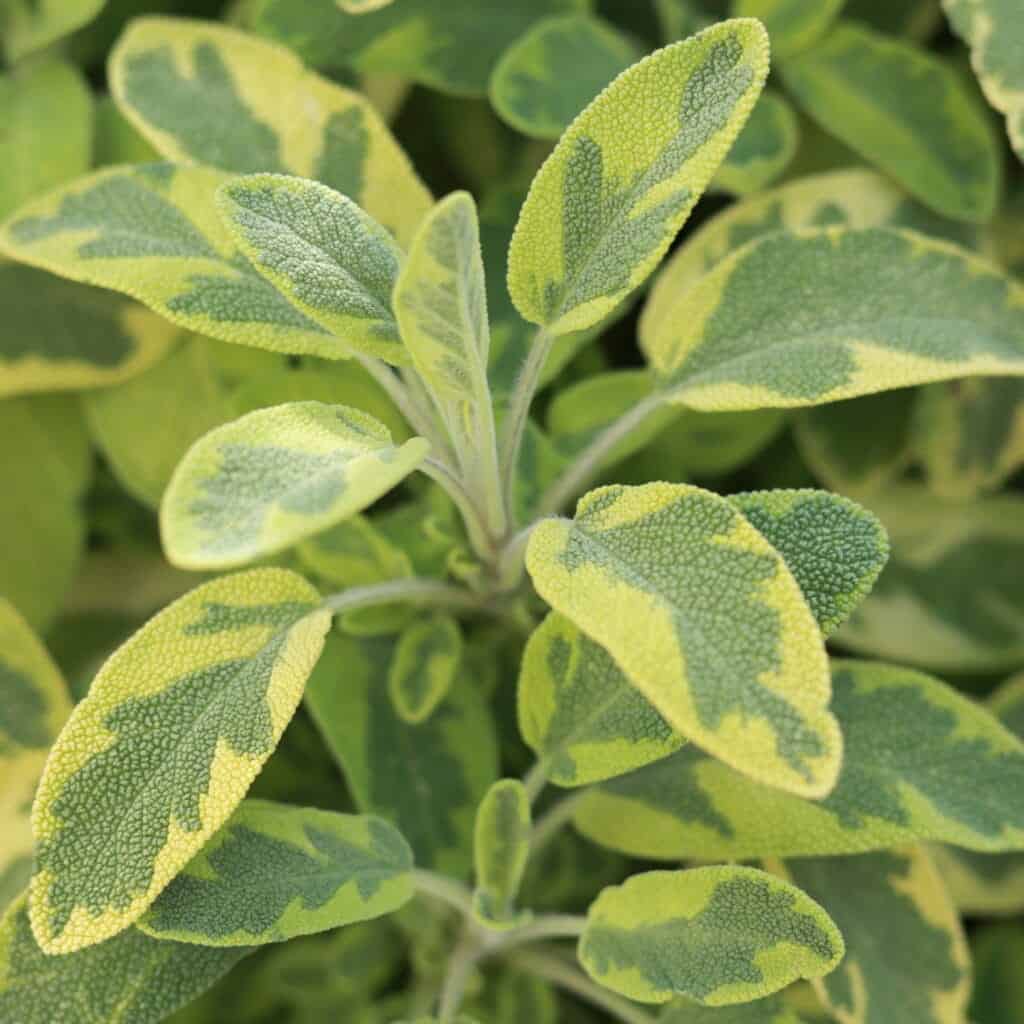
Common sage is a hardy and reliable variety, but purple sage and variegated sage add visual interest to the garden and borders as well as a tasty addition in the kitchen.
Walnut would work well and give a stronger flavour, or for a creamier option you can try macadamia.
All pestos freeze well, including this sage pesto recipe. Just be to sure to freeze it immediately in an ice cube tray or similar and note that it will lose some of its vibrant green colour, but it won’t affect the taste.
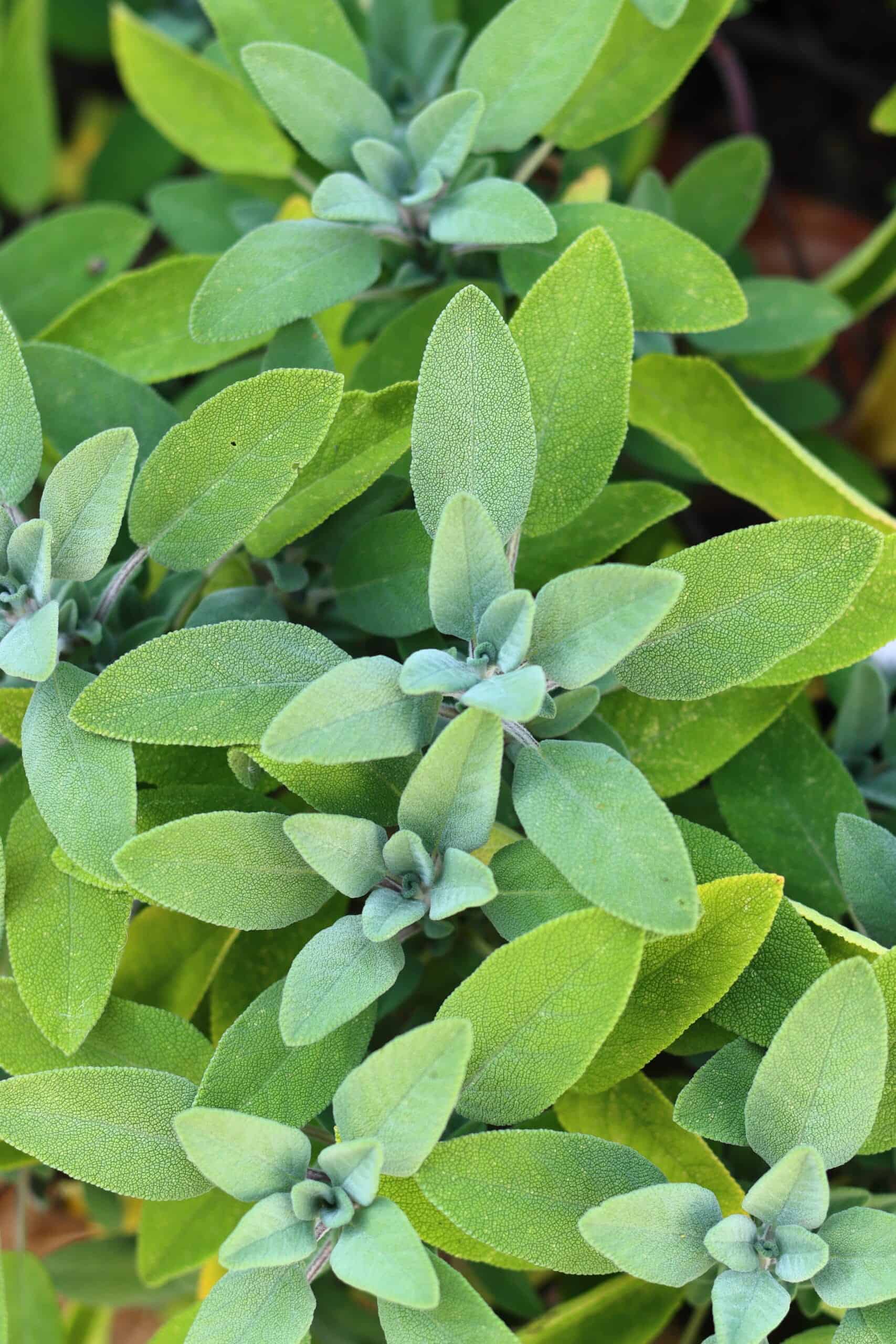
Sage Pesto
Equipment
- 1 smaller processor or blender
Ingredients
- 25 g sage
- 1 clove of garlic
- 25 g pine nuts see notes for variation
- 25 g grated parmesan or pecorino
- ½ lemon juiced
- 75 ml extra virgin olive oil
- ground pepper
Instructions
- First prepare the sage by washing the leaves in cold water and drain in a colander to remove all excess water.
- In a small food processor/blender, combine the sage, garlic, pinenuts, and the cheese and blend until finely chopped. Add in the lemon juice.
- Add the oil in, either drizzling into the blender or adding in 2-3 batches, until you have a smooth and creamy consistency. You may need to stop and scrape down the sides occasionally.
- Season with black pepper and salt to taste.
- Use immediately or place the pesto in a small jar and store in the fridge. With the top layer covered in oil, it will keep for a week.
Notes
- You can use a variety of nuts in this pesto. Walnut would work well and give a stronger flavour, or for a creamier option you can try macadamia.
- You can always freeze small portions of the pesto in an ice cube tray to preserve for longer.


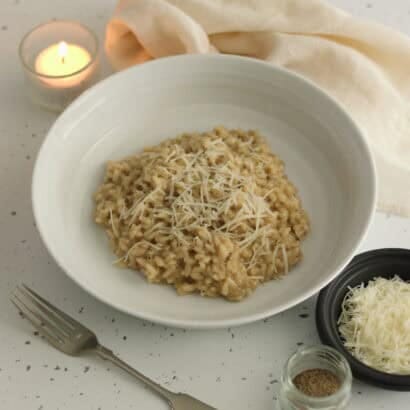
It tastes delicious and used some of the beautiful leaves before the frost comes. Just right with pasta later this week. 😋